
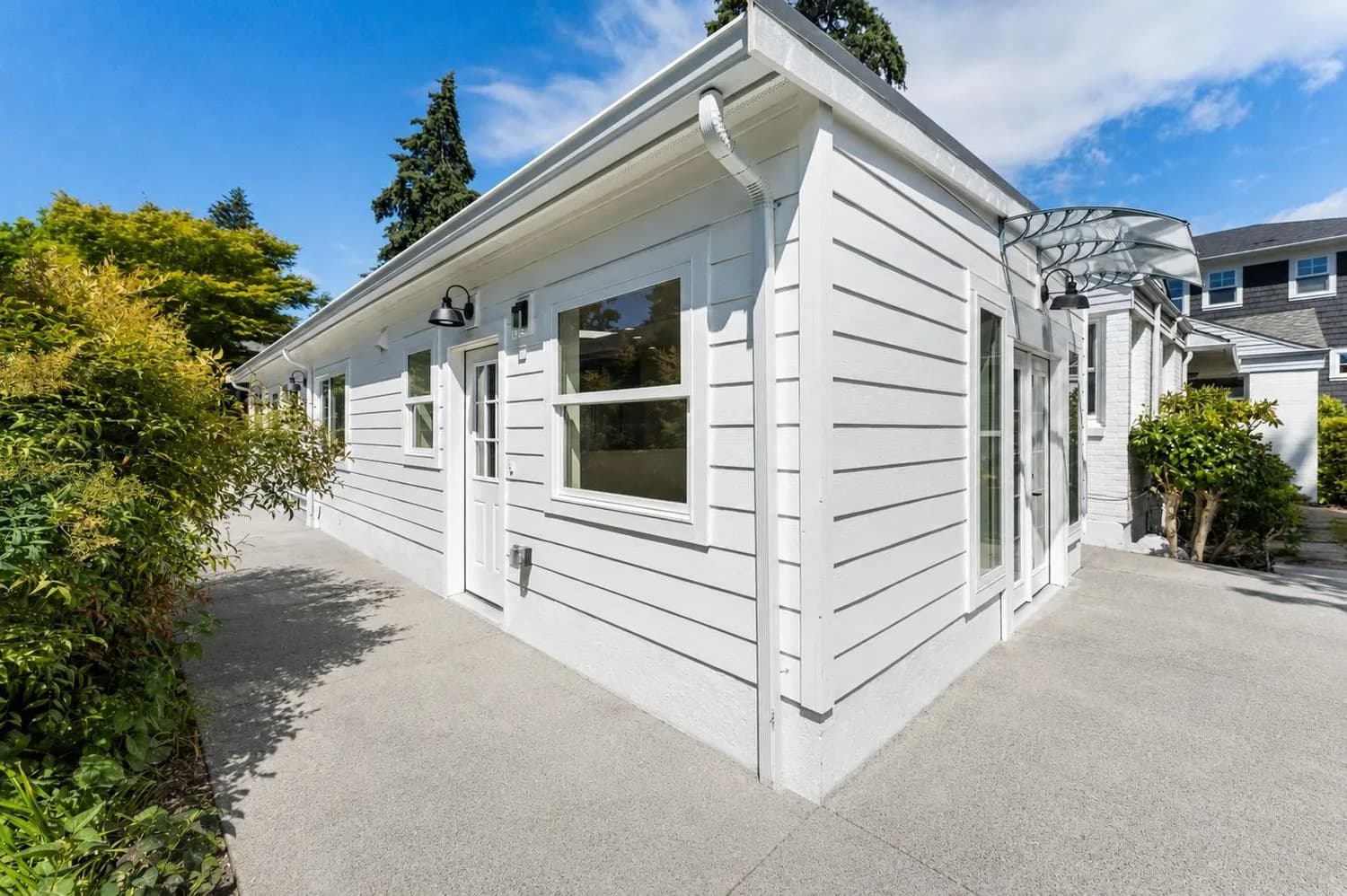
 COMPLETED
recent adu & dadu projects
Browse completed projects across Seattle, Bellevue, and King County
COMPLETED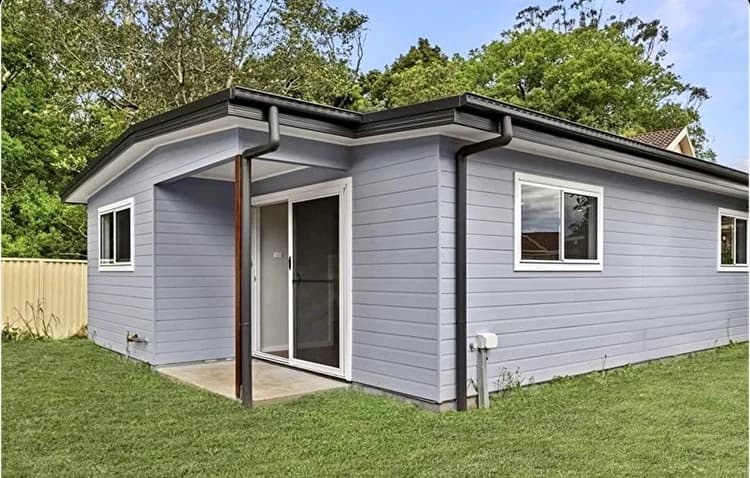 COMPLETED
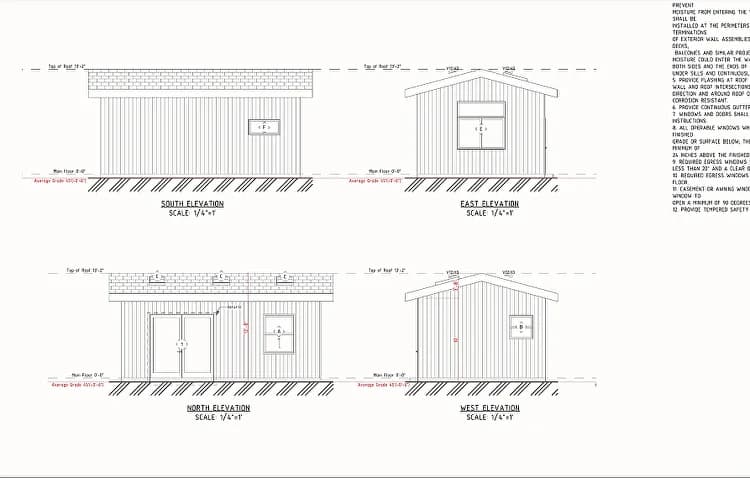 IN PERMITTING
compact one-bedroom backyard cottage
Seattle, Meadowbrook · King County400 sq ft
Est. $155K–$195K8–10 months
View Project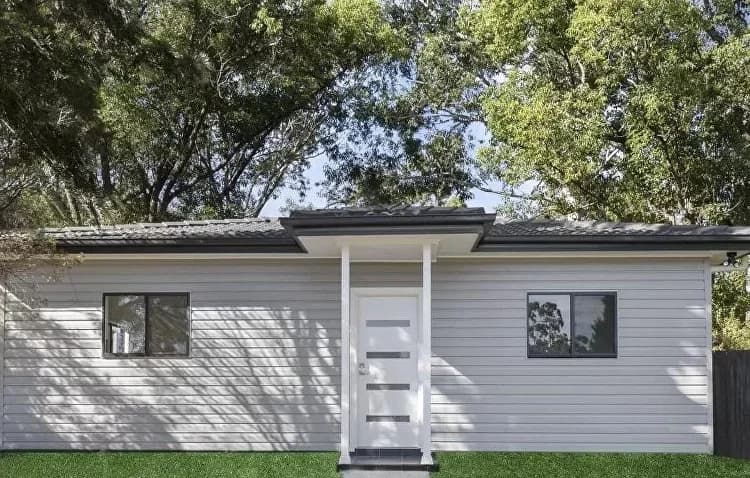 COMPLETED
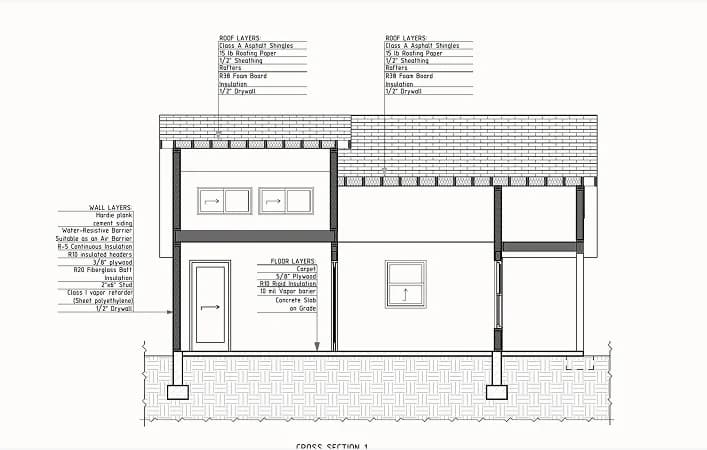 PERMIT APPROVED
two-story cottage with storage loft
Puyallup, WA · Pierce County576 sq ft + loft
$465,50010–14 months
View Project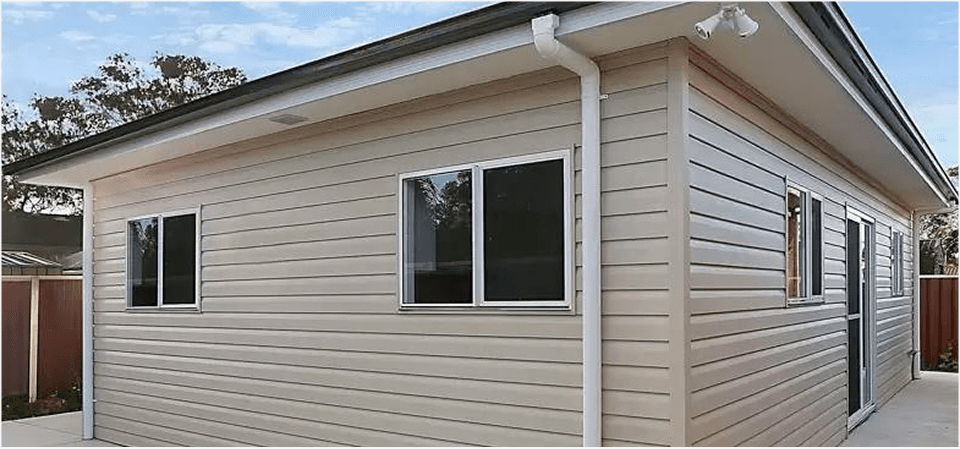 COMPLETED
 COMPLETED
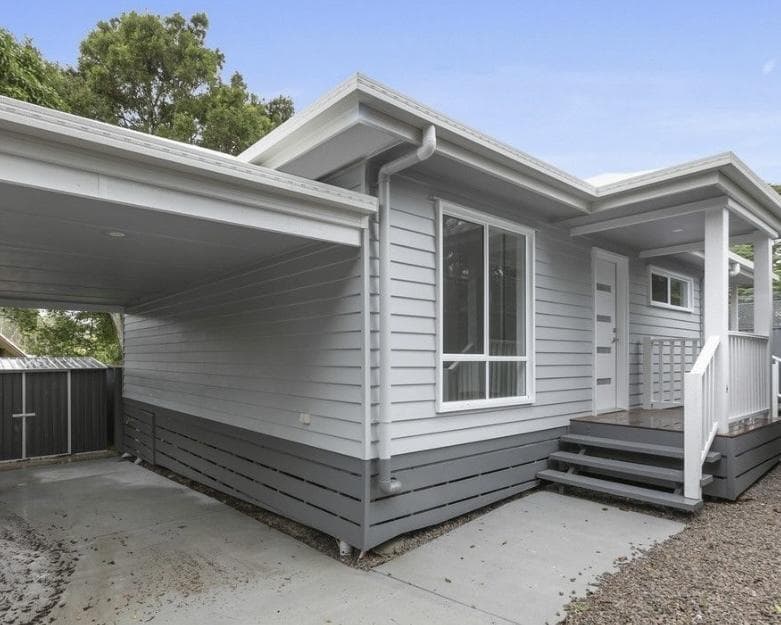
backyard cottage with wraparound deck
Bothell, WA · Snohomish County550 sq ft + deck
$220,0008–10 months
View Project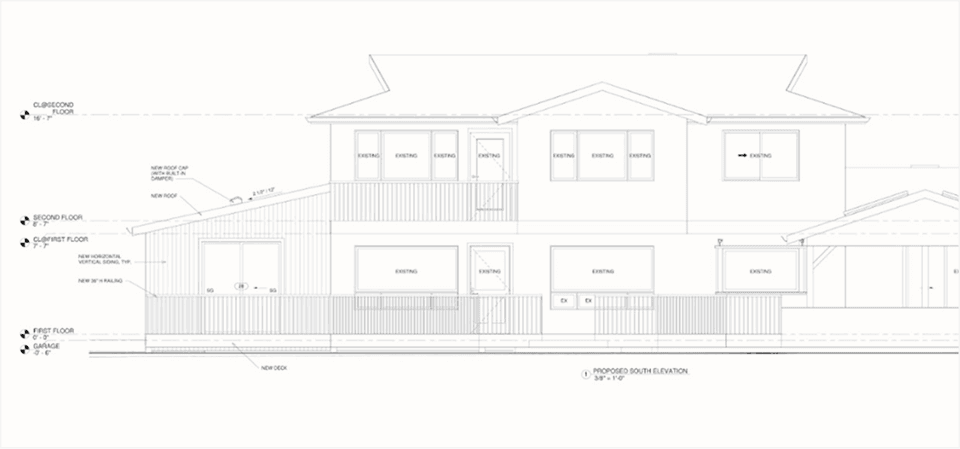 IN PERMITTING
master suite & deck addition
Renton, WA · King County337 sq ft + deck
Est. $120K–$155K8–10 months
View Project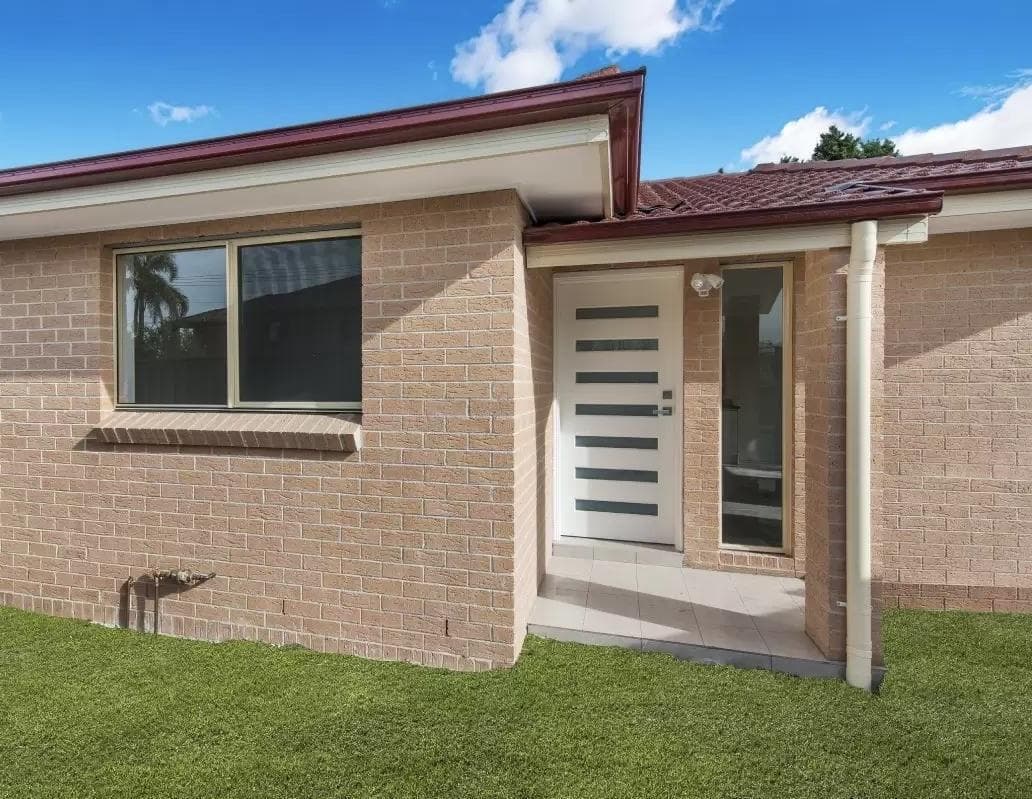 COMPLETED
premium two-bedroom suite
Kirkland, WA · King County Eastside800 sq ft
$335,00012–14 months
View Project— Reviews
what homeowners say

Jeffrey Hardman
1 day ago
Evercrest built an ADU for us in Seattle and did a great job. It was a fairly large build, so there was a lot involved, but the project was well organized and the work moved along as expected. The crew did good work and kept the site in decent shape throughout the build. The finished ADU came out really nice and looks like it belongs on the property. We're very happy with it and would recommend Evercrest.
Amy Duncan
4 weeks ago
We hired Evercrest to build an ADU at our Bothell home for my mom, and we're so glad we did. It was our first construction project like this, so we had a lot of questions. Arthur and Alex were easy to work with and always took the time to explain what was going on. Like any project, a couple things came up during construction, but they kept us informed and handled everything without making it stressful. My mom moved in a few weeks ago and loves having her own place while still being close to us. The ADU turned out great, and we're really happy we chose Evercrest.
Steve Schalekamp
1 week ago
Evercrest is the best. The experience working with Arthur and Alex was simple and the results beat our expectations. The clear and timely communication kept our confidence levels high for the execution of our projects even when we were away for a week. We returned to a fully painted house that is gorgeous. The concrete and fence work followed quickly after with similarly high quality results. They will be the first ones I call for future projects.
Megan Boudreault
2 weeks ago
We remodeled our master bathroom with Evercrest and are really happy with how everything turned out. Arthur and Alex were easy to work with and always got back to us when we had questions. The crew was respectful of our home and cleaned up at the end of each day, which I really appreciated since we have two kids and a dog. The bathroom looks so much bigger and brighter now. The tile work came out beautiful and everything feels solid and well built. We would definitely use Evercrest again.
Mary Laya
10 months ago
We had a fantastic experience with Evercrest. From start to finish Alex, co-owner of the company, was attentive to our vision, communicative and responsive during the project. He truly wanted the work to be perfect and wanted us to be 100% satisfied with the job. His team was similarly pleasant and very hard-working. The price was significantly lower than other companies. We will definitely engage Evercrest for our next big project.
Joy Gotten
10 months ago
Amazing work on our kitchen remodel! The team was punctual, professional, and delivered high-quality finishes. Every detail was addressed perfectly. Communication was seamless throughout. Highly recommend
— Investment Calculator
How much will your adu cost — and earn?
Get a personalized estimate in 2 minutes. Construction cost, monthly rent, property value increase, and break-even timeline — based on real Seattle data.
Open Calculator$193kADU construction starting cost
$2,300/moAverage rental income (1-bed)
+$250kAverage property value increase
7 yearsAverage break-even
not sure how to finance your project?
We work with trusted local lenders who specialize in ADU and home improvement financing — including home equity loans, construction loans, and cash-out refinancing. We'll connect you with the right person based on your situation.
Get Your Free Estimate
or call us 445 269 4020
/ faq
ADU & DADU FAQ
In the greater Seattle area, the typical cost to build an ADU is approximately $350 to $450 per square foot. This price includes construction labor and rough materials — framing, structural work, and core building systems. It does not include finish materials like flooring, paint, kitchen and bathroom materials, fixtures, or appliances. The total cost depends on size, site conditions, permit requirements, and the level of finishes chosen.
Look for a licensed, bonded, and insured ADU builder with local Seattle-area experience and PE-stamped engineering on every project. The right general contractor handles the full design-permit-build process under one contract — so you are not juggling separate architects, engineers, and crews. Ask to see completed ADU, DADU, garage conversion, and backyard cottage projects near you, check their Google reviews, and confirm they navigate City of Seattle and King/Snohomish County permitting in-house. Evercrest is a licensed Washington ADU company — ADU builder and general contractor in one (#EVERCL*745DO) — with 150+ projects across Puget Sound.
An ADU (Accessory Dwelling Unit) is a secondary living unit on the same property as the main house — it can be attached, built inside the home (such as a basement unit), or detached. A DADU (Detached Accessory Dwelling Unit) is a specific type of ADU that is completely separate from the primary residence, typically built as a standalone backyard cottage or small independent structure with no shared walls.
In the Seattle area, building a backyard cottage typically takes about 8 to 14 months from start to finish. This includes permitting, site preparation, construction, and final inspections. For a standard DADU around 1,000−1,500 sq ft, the construction timeline is usually around 8 months. A larger project of around 3,000−3,500 square feet can take closer to 14 months, because it would need to be permitted not as a DADU, but more like a townhouse-type structure. The permitting process for that typically takes longer, and the construction itself also takes additional time, depending on design complexity, site conditions, and city permit review timelines.
Yes — in Seattle you can legally rent out your ADU (long-term or short-term), as long as it is properly permitted and registered. ADUs are allowed as rental units under Seattle zoning and building codes. There is no owner-occupancy requirement, meaning you do not need to live in the main house or the ADU in order to rent it out.
Yes — building an ADU typically increases property value because it adds additional livable square footage, creates a rental income stream, and makes the property more attractive to buyers looking for multi-generational housing or investment opportunities. In high-demand markets like Seattle, an ADU can significantly improve resale value by turning a single-family lot into a more flexible, income-producing property.
Yes — we manage the full permitting and city approval process for ADU, DADU, and extension projects. This includes preparing all required documentation, coordinating with architects and engineers, submitting plans to the City of Seattle, and guiding the project through plan review, inspections, and final approval to ensure full compliance with building codes and regulations.
There are several financing options commonly used for ADU and DADU projects in Seattle — including home equity loans (HELOC), cash-out refinancing, and construction loans. The right option depends on your current equity, credit profile, and how you plan to use the unit. We work with trusted local lenders who specialize in ADU and home improvement financing and can connect you with the right person based on your situation. Just bring it up during your free consultation and we'll point you in the right direction.
Yes — in many cases, you can legally convert an existing garage into an ADU in Seattle, as long as the structure meets current zoning, building code, and safety requirements. The garage must be permitted, upgraded for insulation, plumbing, electrical, and egress, and approved through the city's plan review and inspection process. Feasibility depends on property layout, utility access, and Seattle ADU regulations. We assess this during your free consultation.
Yes. An ADU above a garage is one of the most space-efficient options on a Seattle lot: parking or storage stays below and a full apartment with its own stair and entrance goes on top. Over an attached garage it is permitted as an attached ADU; over a detached garage it counts as a DADU, with up to 32 feet of height allowed in Neighborhood Residential zones. Most existing garages were not framed or founded to carry a second story, so we start with a structural check — sometimes the garage is reinforced, sometimes it is cheaper to rebuild it as part of the project.
Yes — a mother-in-law suite is simply an ADU built for family. It can be an attached unit with its own entrance, a converted basement or garage, an apartment above the garage, or a detached backyard cottage. For aging parents we plan it step-free where the lot allows: a no-threshold entry, a walk-in shower, wider doors and a bedroom on the main level. It is permitted as a legal dwelling unit, so it can become a rental later.
Under Seattle's 2025 zoning updates (HB 1337 and HB 1110 compliance), you can build up to two ADUs per lot that contains a principal dwelling unit. Both can be detached (two DADUs), or any combination of attached and detached. Some lots near major transit stops can accommodate up to 6 total units. Two DADUs can even be located in the same structure. ADUs count toward overall density limits.
Standard: 5-foot setback from side and rear property lines. If your property borders a back alley, you can build with zero setback on the alley side. Front setbacks follow standard zoning rules. When a DADU exceeds 18 feet in height, Seattle requires increased setbacks from property lines. These requirements apply across all NR zones (NR1, NR2, NR3, and RSL zones).
No. Seattle eliminated off-street parking requirements for ADUs in both the 2019 reforms and 2025 updates. You can choose to include parking, but the code doesn't require it. This reduces construction costs, makes projects feasible on smaller lots, and promotes transit-oriented development.
Each ADU can be up to 1,000 sq ft of gross floor area in most NR zones. The actual buildable size also depends on your lot's Floor Area Ratio (FAR up to 1.2 depending on zone) and lot coverage limits. Conversions of existing structures (basements, garages) may exceed the 1,000 sq ft limit. Minimum lot sizes no longer apply for ADUs.
Yes. Under the 2025 rules, DADUs can be up to 32 feet tall in Neighborhood Residential zones and up to 40 feet in other areas. The ridge of a pitched roof can extend an additional 5 feet above the height limit within a 4:12 sloped envelope. This means two-story DADUs are now fully possible and increasingly popular for maximizing space on smaller lots.
10-Year Warranty
In writing, in your contractWe fix it at no cost
Fixed Price
Locks after engineeringNo change-order surprises
Licensed & Bonded
#EVERCL*745DO · UBI #604988178Fully insured, WA compliant
One Team
Design · permits · buildOne project manager throughout
Ready to Build Your ADU?
Get a free, no-obligation site assessment. We'll evaluate your property, walk you through the permit process, and give you a realistic budget range — all at no cost.
/ For homeowners and property owners in Seattle & King County only