
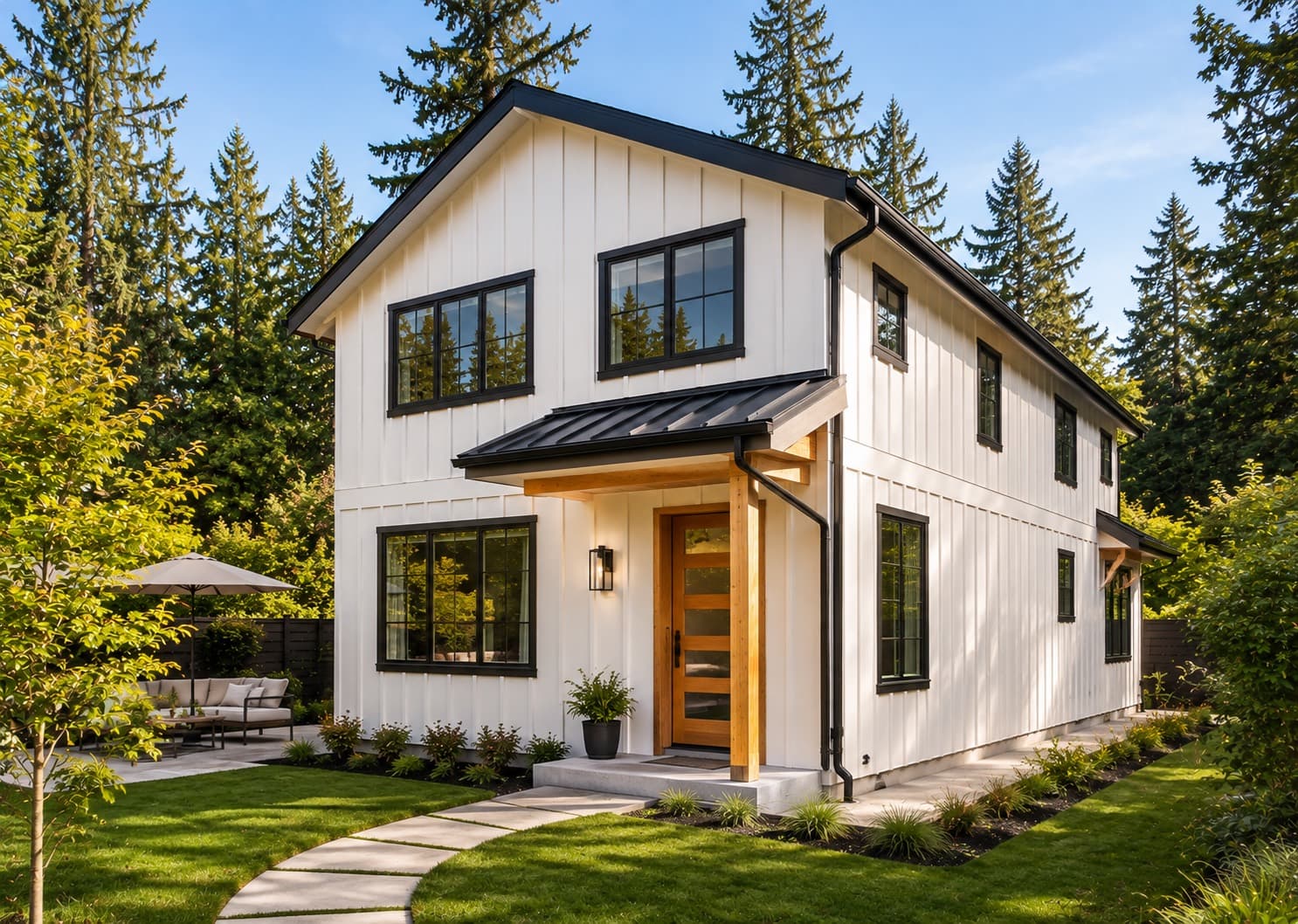
An ADU is any second home on your lot. A DADU is the detached kind, a separate cottage in the yard. An attached unit or a conversion is cheaper and faster. A cottage costs more, rents for more, gives everyone their own front door and can be sold on its own. Most Seattle lots can hold one of each.
What the two words mean
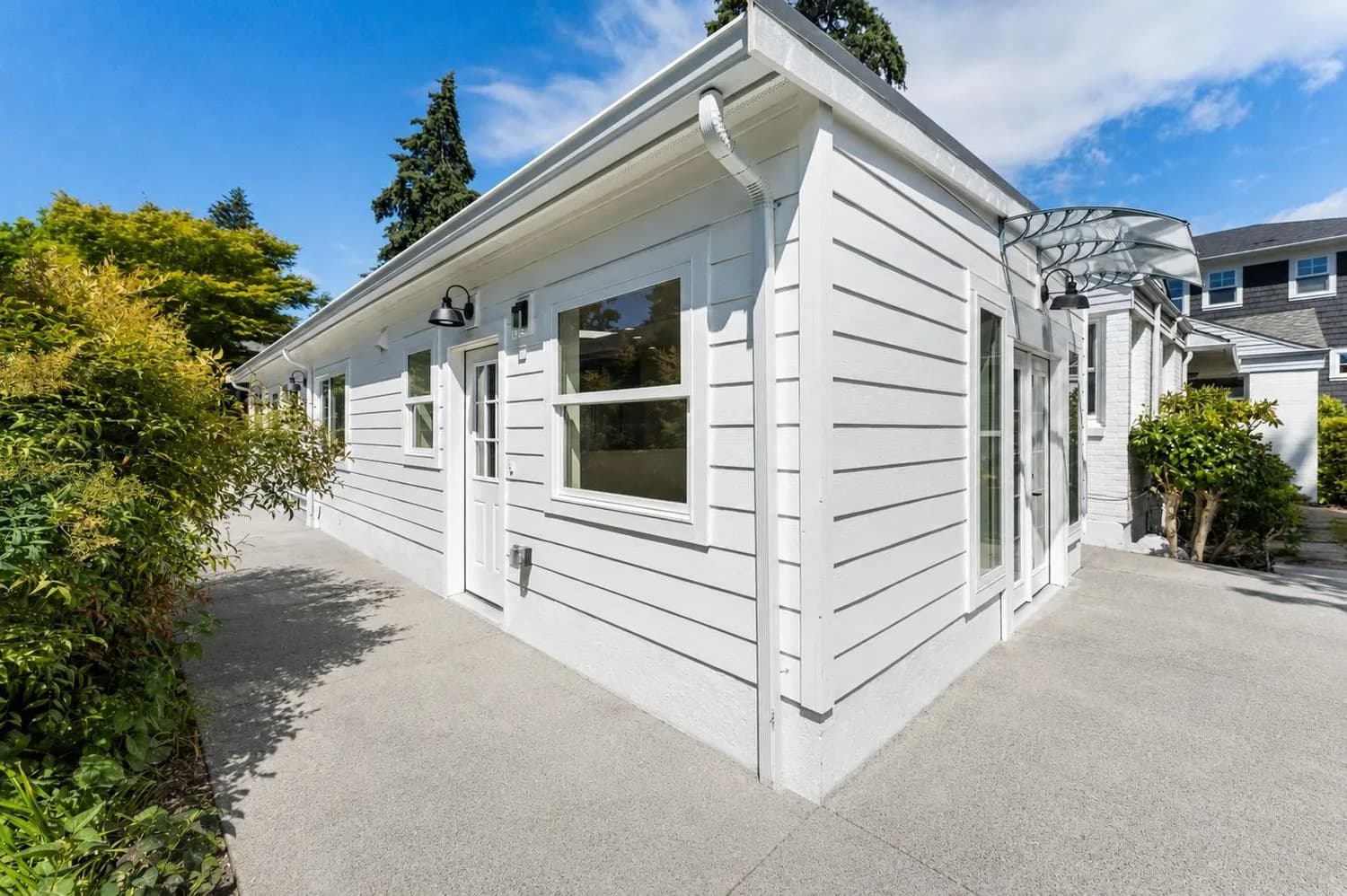
ADU stands for accessory dwelling unit. It is a complete second home on a single-family lot: its own entrance, kitchen, bathroom and somewhere to sleep. It can be inside the house, like a basement apartment, or attached to it, like a new wing or an apartment over the garage. A garage that shares a wall and gets converted counts too. The Seattle code calls all of these an AADU, an attached accessory dwelling unit. Homeowners call it a mother-in-law suite.
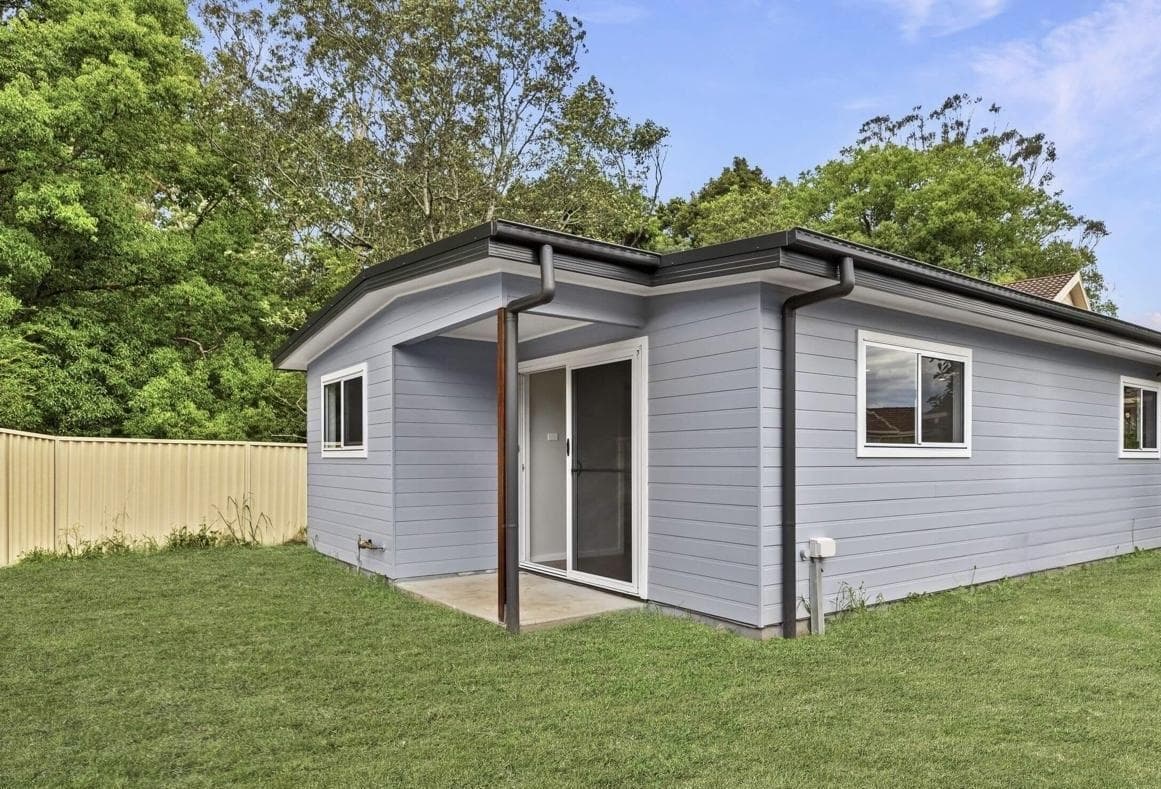
DADU adds one letter, detached. Same complete home, but standing by itself in the yard with no shared walls. Backyard cottage, granny flat, carriage house, casita. Different names, one permit. Because it stands alone it needs its own foundation, roof and utility connections, and that is where the cost difference comes from.
Side by side, Seattle 2026
| Attached ADU or conversion | Detached cottage (DADU) | |
|---|---|---|
| Where it sits | Inside or against the house: basement, garage, addition | On its own in the yard, no shared walls |
| Typical cost | $120K–$220K | $250K–$400K, premium to $600K |
| Per sq ft | from $380 | from $350, plus site work |
| Max size | 1,000 sq ft; conversions may go over | 1,000 sq ft |
| Height | Follows the house | Up to 32 ft, two stories allowed |
| Setbacks | Same as the house | 5 ft side and rear, 0 ft along an alley |
| Utilities | Shares the house’s water, sewer and power | Its own connections, $18K–$35K |
| First call to keys | 8–12 months | 10–14 months |
| Rent | $1,600–$2,600 a month | $2,000–$3,500 a month |
| Privacy | A shared wall or floor | Complete |
| Sell it separately | No | As a condominium unit, yes (state law). The lot itself is not split |
| Parking required | No | No |
| Owner must live on site | No | No |
What Seattle allows in 2026
Seattle’s permanent Neighborhood Residential zoning (Council Bill 120993) was adopted on December 16, 2025 and has been in force since January 21, 2026, implementing the state laws HB 1110 and HB 1337. The rules a homeowner actually runs into, from the city’s own summary of the new code (more in our ADU FAQ):
- Two accessory units per lot on top of the main house: two attached, one of each, or two detached. The lot as a whole can hold four dwelling units, six if it sits within a quarter mile of a major transit stop or two of the units are affordable. ADUs count toward that total.
- 1,000 sq ft per unit, not counting a garage, exterior storage or space below grade. Floor area on the whole lot is also capped by a floor-area ratio of 0.6 to 1.6 depending on how many units you build, and a lot under 5,000 sq ft always gets at least 2,500 sq ft.
- Lot coverage up to 50 percent. On a 5,000 sq ft lot that is 2,500 sq ft of building footprint.
- Height up to 32 ft plus an allowance for a pitched roof, the same as the main house. Two-story cottages are routine now.
- 5 ft side and rear setbacks for an accessory unit, zero along an alley, and at least 5 ft between buildings.
- No parking, no owner-occupancy requirement.ADUs are also exempt from street-improvement requirements and from the city’s MHA affordable-housing payment.
What the code cannot tell you is whether your particular yard has room. Trees, slope, where the sewer runs and the shape of the lot decide that, and we cannot know it from a desk. It takes a site visit.
Four questions that decide it
1. Is there unused space under the roof you already have?
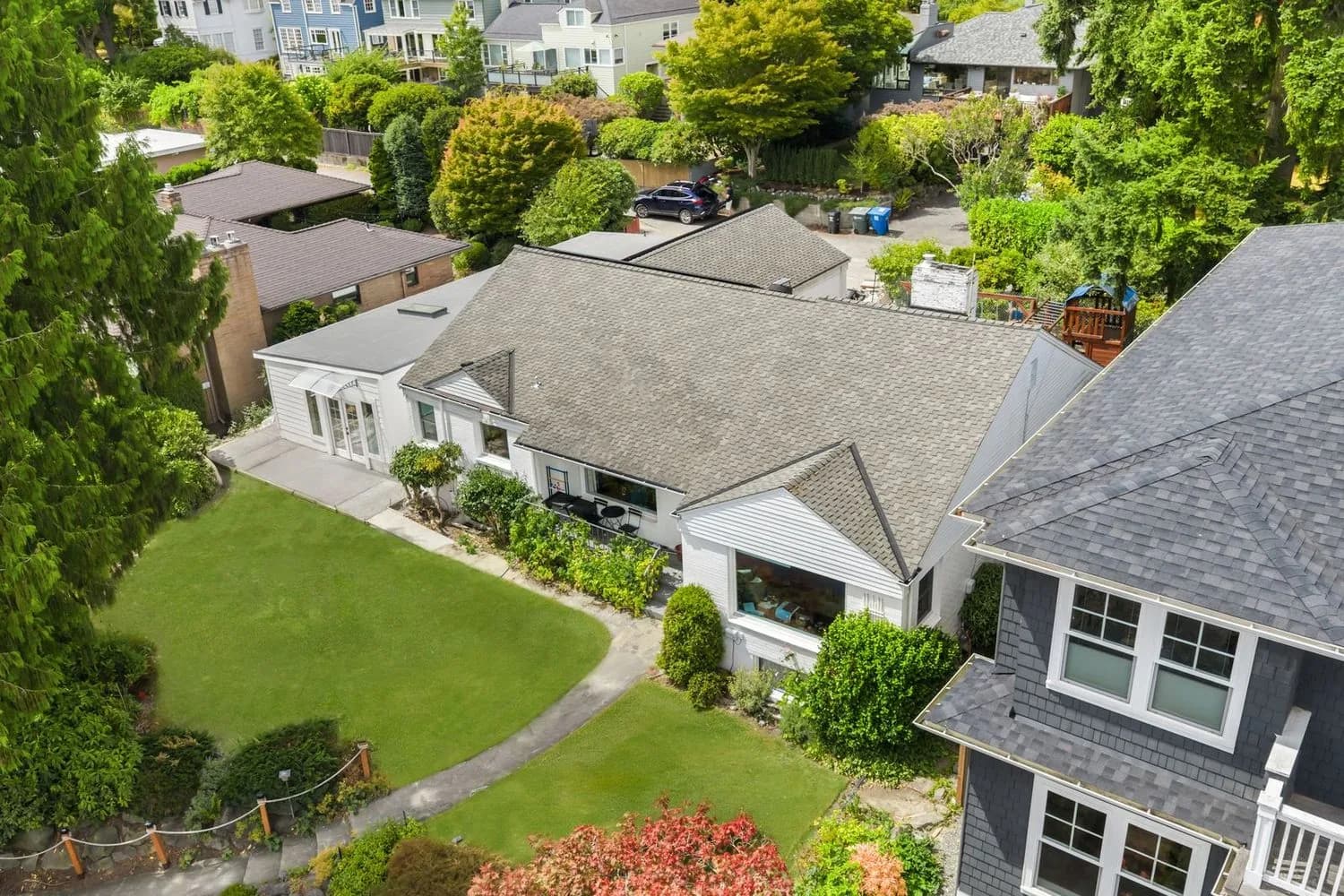
A full-height basement with a window, a garage nobody parks in, an attic over the garage. If yes, an attached unit or a conversion wins on cost and it is not close. You are paying for interior work, not for a foundation and a roof.
2. How deep is the yard behind the house?
A cottage needs its footprint plus 5 ft to each lot line, and a way to get materials back there. As a rough rule, a rear yard 25 ft deep or more on a standard 50 ft wide Seattle lot takes a 500 to 700 sq ft single-story cottage. Less than that pushes you to two stories or back to an attached unit.
3. Who is going to live in it?
Parents who want to be close but independent are the classic case for an attached unit: one level, no stairs, and a door into the main house for the day somebody needs help. A long-term tenant, an adult child with a family, or a future buyer are cottage cases. Separate address, separate entrance, nobody sharing a wall.
4. What is the money for?
Rental income at the lowest cost: the attached unit wins on return per dollar. Maximum rent, maximum equity, or the option to sell the unit later: the cottage wins, even with the higher build cost.
Our rule of thumb: convert if you can, attach if the lot is tight, detach if you have the yard and the budget. And remember it is not either-or. Plenty of owners do the attached unit now and the cottage a few years later.
One of each, built
Two Evercrest projects, both in the Seattle area, both at the price on the contract. The rest of our finished units are on the ADU and DADU projects page.
- Attached ADU. Seattle, View Ridge, 854 sq ftTwo bedrooms, two baths, private entrance. Six months of construction.$310,000Open project
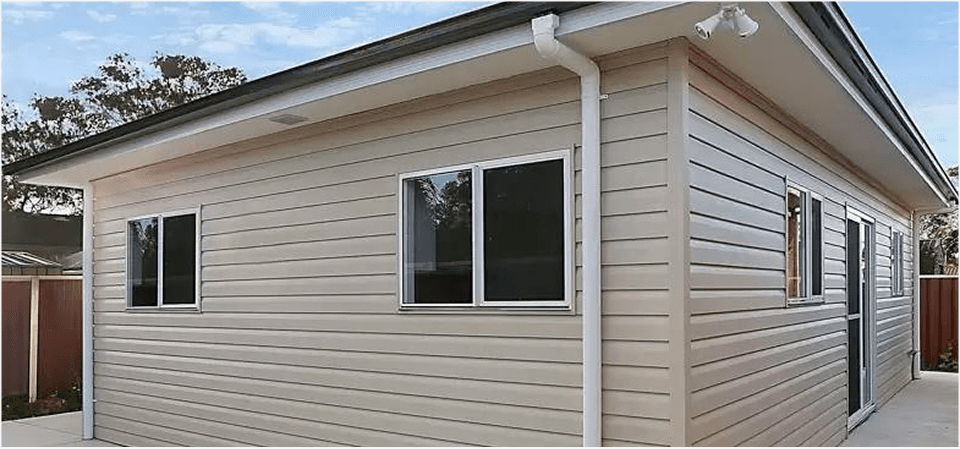 Detached cottage. Renton, 720 sq ftTwo bedrooms, full kitchen, its own utilities.$298,000Open project
More prices, by type, are in What an ADU costs in Seattle in 2026.